
In the world of rope access, adaptability is key. We often face scenarios where changing ropes quickly is essential, and sometimes, a secondary backup isn't

The Double Deviation. After the Single Deviation is the previous video, we get into the Double Deviation. There is one big difference

How to pass a Single Deviation. And why do we use one? Those are just two of the questions that are answered in this video!

This is an extra release. I thought it important to correct my example of the how to changeover video.
How to Changeover properly to watch the proper way to changeover.

In this video you will learn how to pass a knot in the rope when ascending and descending. If we find a damaged spot in the rope we use the Butterfly knot to...

UPDATE:
I have released a new video on how to changeover from ascent to descent. I discuss a something that could have been done better in this one.

In this video on The Rope Access Channel, we take a look at carabiners. The connectors that tie all the rope access gear together. We talk about the two main types and materials used in carabiners. Then we dive into all the different closing mechanisms.
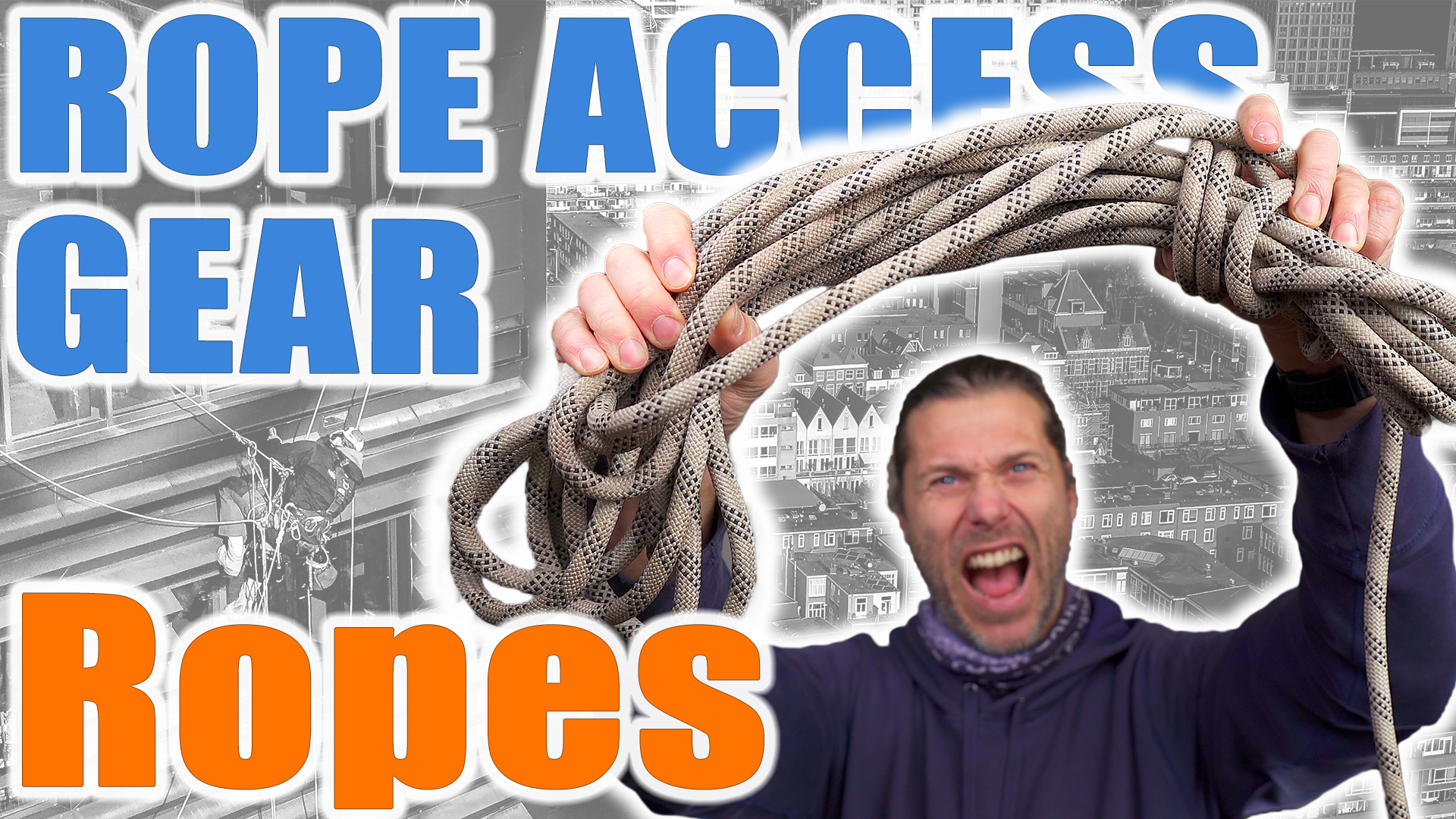
In the rope access industry we use two types of rope access ropes. Semi-static and a dynamic. In this post I explain the different uses in the industry
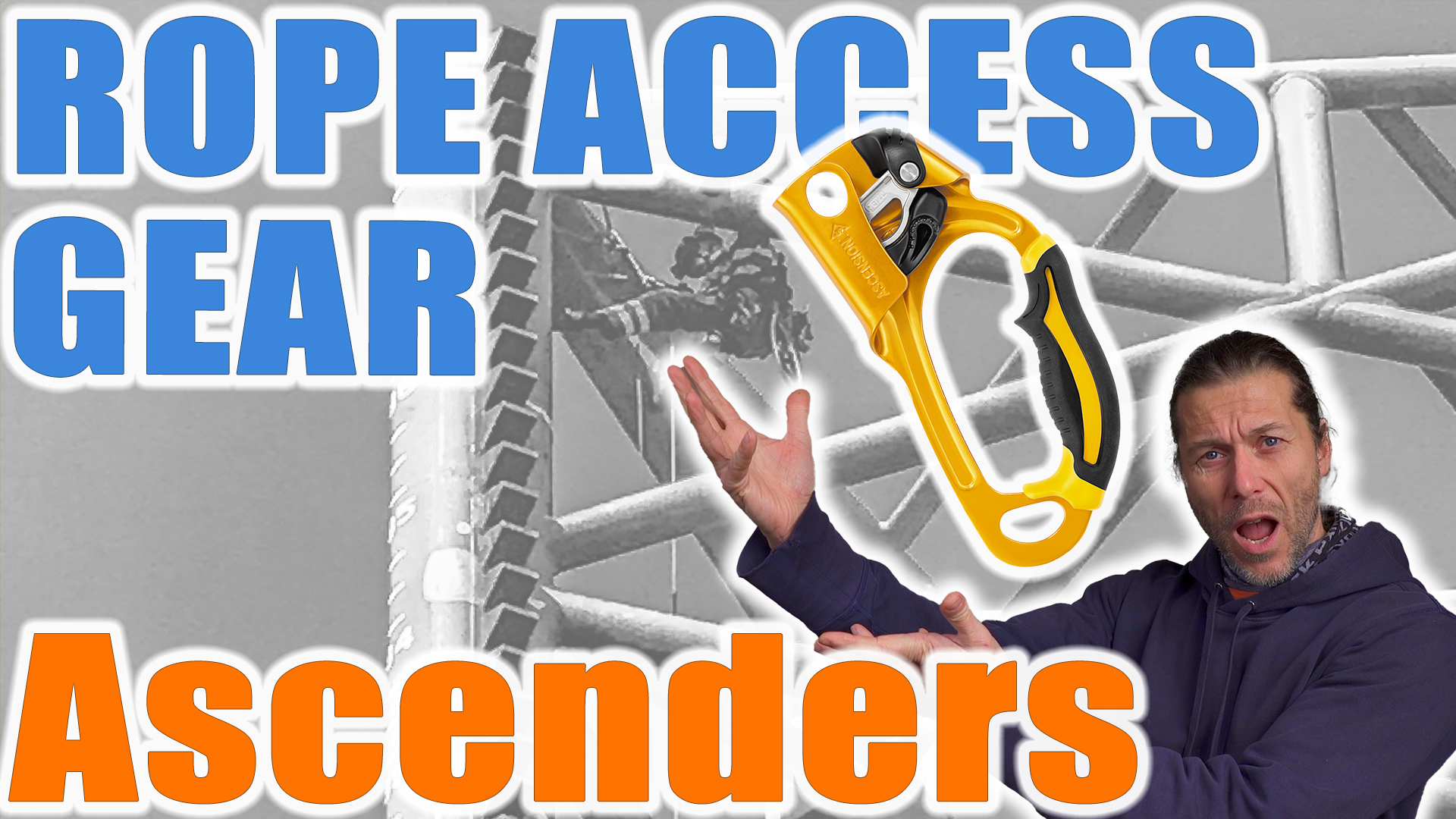
see how a rope access ascender works in the industry.
A rope access ascender is a device that allows a person to ascend or descend on a fixed rope, without the need for any other equipment.

In this post I will show you how to use a rope access descender and all the ins and outs of what makes a good descender